
Dry Eyes vs. Allergies: How to Tell the Difference
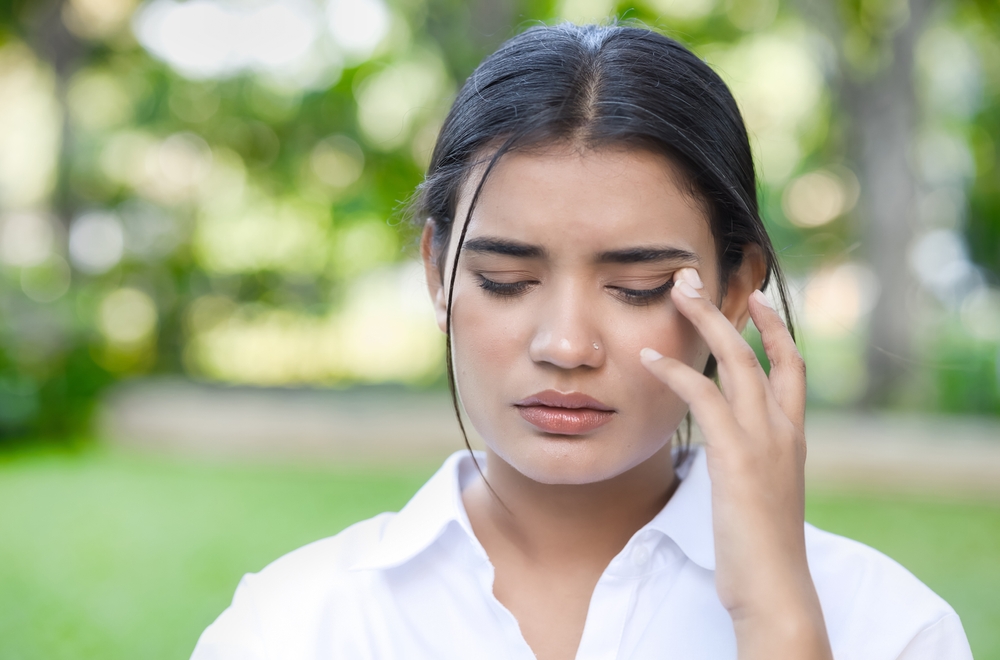
Red, irritated eyes can quickly disrupt your day, making it difficult to focus, read, or enjoy time outdoors. Many patients assume their symptoms are caused by allergies, but dry eye disease is another common condition that often feels very similar. Because the treatments for each are different, knowing which one is affecting your eyes is essential for finding real relief.
What Is Dry Eye?
Dry eye occurs when your eyes don’t produce enough tears, or when the tears evaporate too quickly. Tears play a critical role in keeping your eyes comfortable, clear, and protected. When the tear film becomes unstable, it can lead to chronic irritation and inflammation.
Common causes of dry eye include:
Aging and hormonal changes
Prolonged screen time and reduced blinking
Meibomian gland dysfunction (blocked oil glands in the eyelids)
Contact lens wear
Certain medications, such as antihistamines or antidepressants
Environmental factors like dry air, wind, or smoke
Typical dry eye symptoms include:
Burning or stinging sensations
Grittiness or feeling like something is in your eye
Redness
Blurry vision that improves with blinking
Eye fatigue
Dry eye is often a chronic condition that requires ongoing management rather than a one-time fix.
What Are Eye Allergies?
Eye allergies, also known as allergic conjunctivitis, occur when your eyes react to allergens in the environment. The immune system releases histamines, causing inflammation and discomfort.
Common causes of eye allergies include:
Pollen from trees, grass, or weeds
Pet dander
Dust mites
Mold
Smoke or air pollution
Typical eye allergy symptoms include:
Intense itching
Red, swollen eyes
Watery or teary eyes
Puffy eyelids
Symptoms that worsen during allergy seasons or after exposure to allergens
Unlike dry eye, allergy symptoms often flare up suddenly and may come and go depending on exposure.
How to Tell the Difference Between Dry Eyes and Allergies
While both conditions can cause redness and irritation, one key difference is itching. Allergies usually cause significant itching, while dry eye more commonly causes burning, stinging, or a gritty sensation. Because symptoms often overlap, it’s easy to misdiagnose yourself and use the wrong treatments, which can worsen discomfort or delay relief.
Why You Should See an Eye Doctor
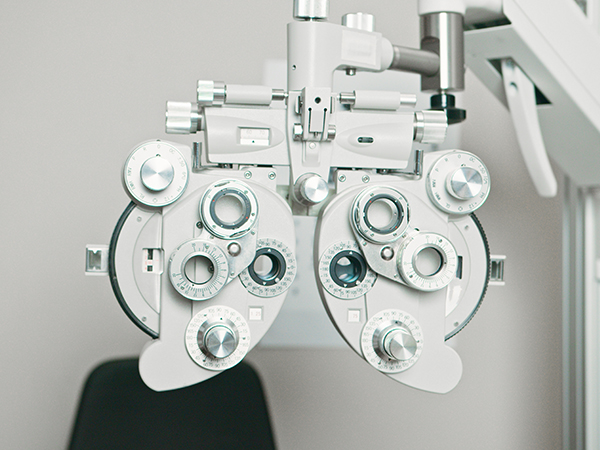
A comprehensive eye exam is the best way to determine whether your symptoms are caused by dry eye, allergies, or a combination of both. At Coronado Eye Care Optometry, your eye doctor can:
Identify the underlying cause of your symptoms
Evaluate tear quality and eyelid health
Determine whether inflammation or allergens are involved
Create a personalized treatment plan for effective, long-term relief
Treatment options may include prescription eye drops, dry eye therapies, allergy management strategies, lifestyle recommendations, or a combination of approaches tailored specifically to your eyes.
Schedule an Eye Exam at Coronado Eye Care Optometry
Dry eyes and eye allergies can feel very similar, but they require different treatment approaches. If your eyes are consistently uncomfortable, itchy, or irritated, guessing isn’t enough. A proper diagnosis is key to protecting your eye health and restoring comfort.
If you’re experiencing dry eyes and eye allergy symptoms, schedule a comprehensive eye exam at Coronado Eye Care Optometry to get an accurate diagnosis and a personalized treatment plan designed for your needs. Visit our office in Coronado, California, or call (619) 435-6221 today.

Contact Info
- Address: 950 Orange Avenue
Coronado, CA 92118
Office Hours
- Monday 9:00am - 5:00pm
- Tuesday 9:00am - 5:00pm
- Wednesday 9:00am - 5:00pm
- Thursday 9:00am - 5:00pm
- Friday 9:00am - 4:00pm
- Saturday Closed
- Sunday Closed
© 2026 Coronado Eye Care Optometry. All Rights Reserved. Accessibility Statement | Privacy Policy | Sitemap
Powered by:
